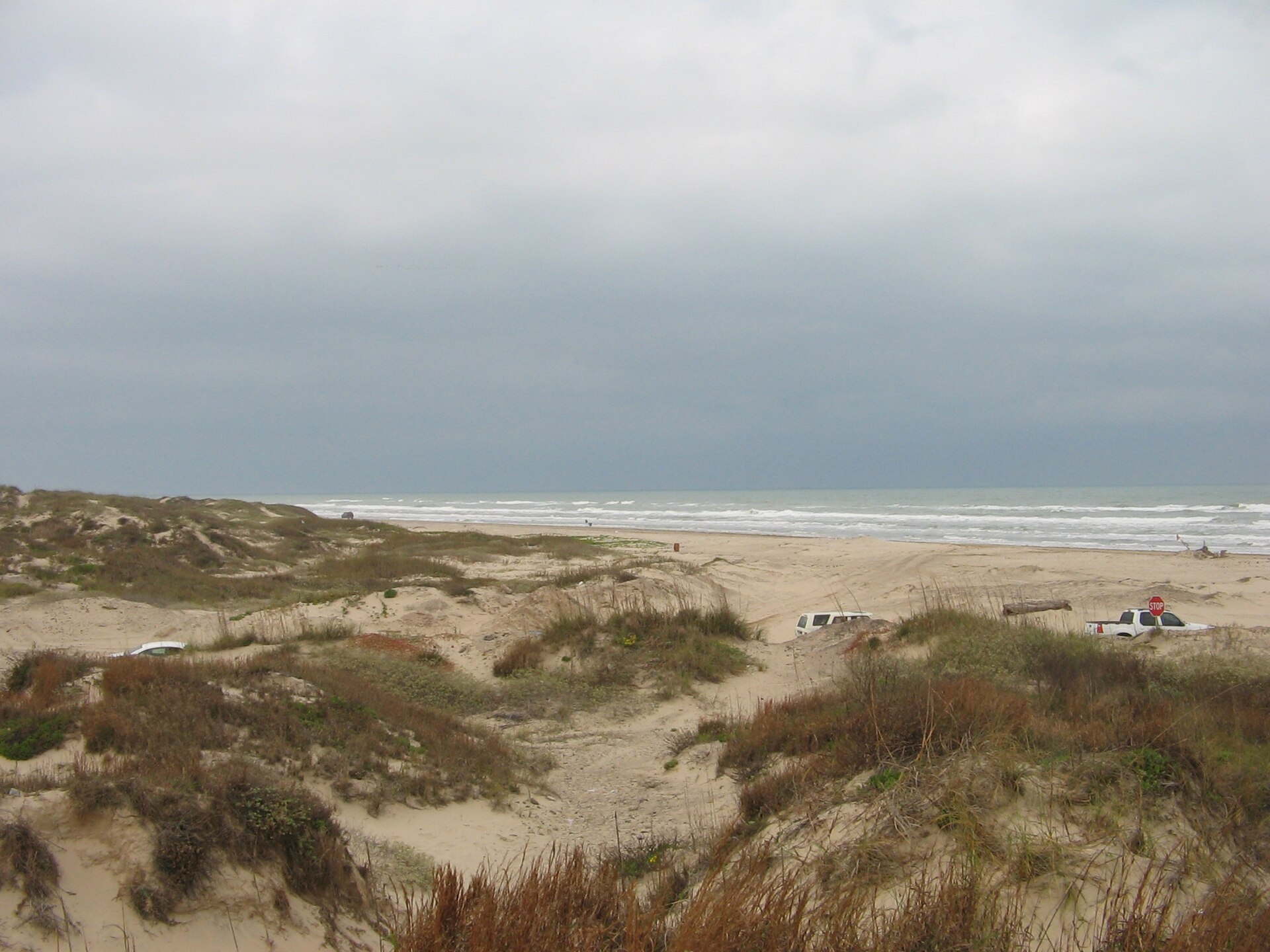
Coastal sand dunes stabilised by native grasses at Boca Chica, Texas
Breaking · Conservation Report

Park Rangers Rescue Injured Ocelot Following Starship Launch

Oscar, a juvenile endangered ocelot discovered near Boca Chica Wildlife Refuge after SpaceX's latest Starship launch, has made an incredible recovery thanks to the dedication of Texas Park Rangers and wildlife veterinarians.

Location

Boca Chica Blvd, Brownsville, TX

Species

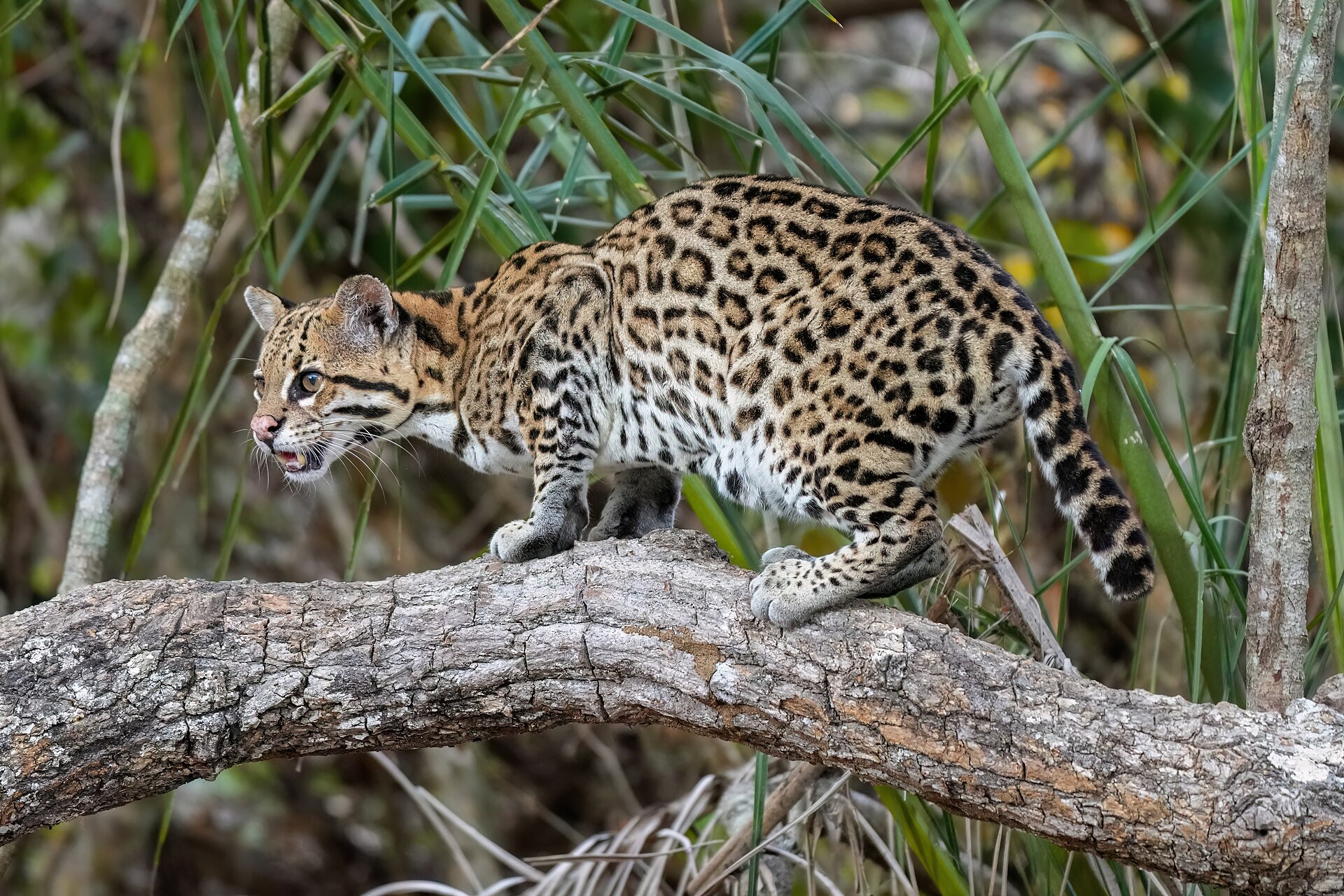
Ocelot · Leopardus pardalis

Status

Endangered — fewer than 100 in the U.S.

Photograph via Wikimedia Commons (CC BY 3.0)

Field Report · Cameron County

Endangered Ocelot “Oscar” Makes Remarkable Recovery After Emergency Rescue Near Boca Chica Wildlife Refuge
By the Refuge Communications OfficeBrownsville, Texas9 min readPublished today
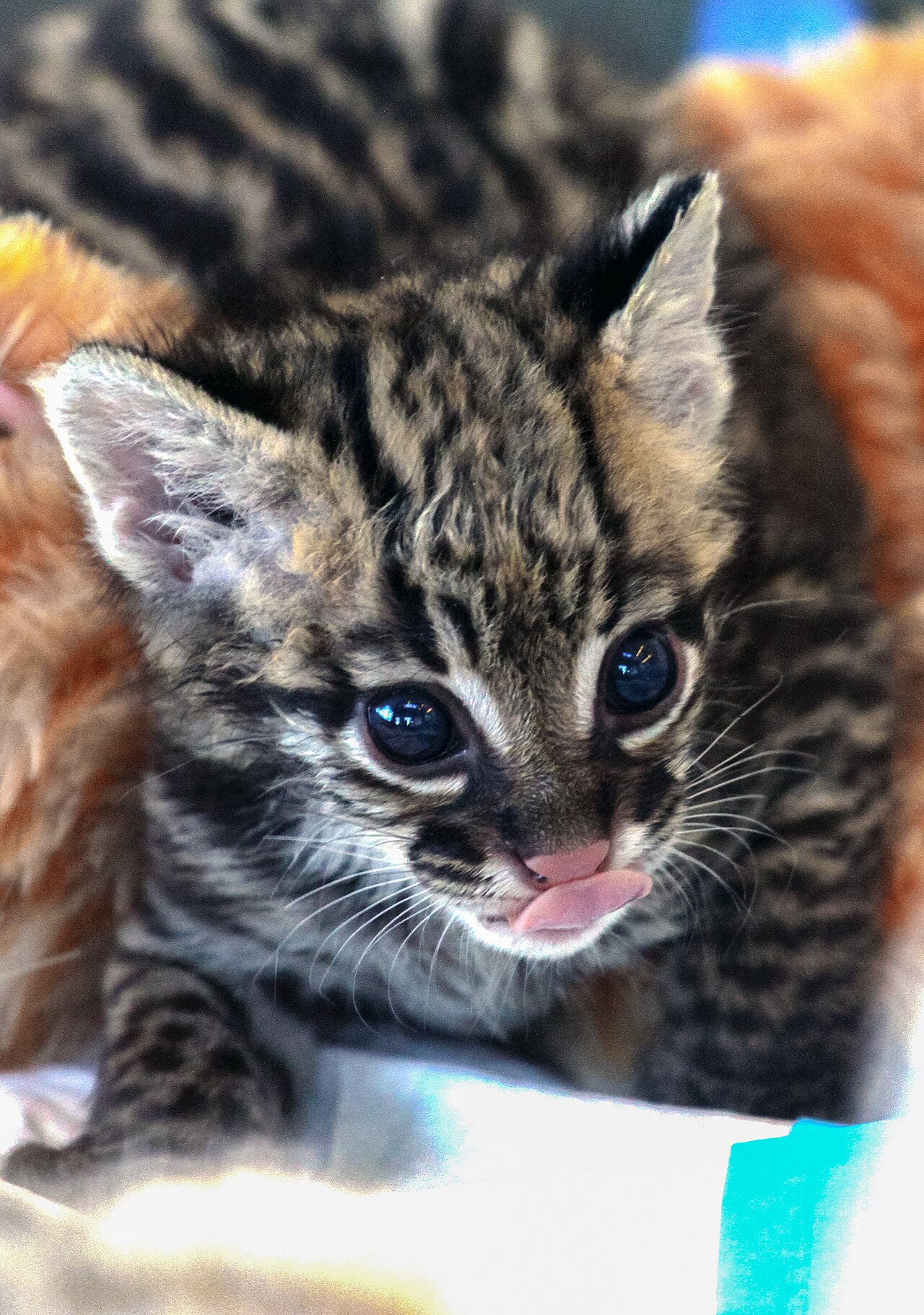
A young ocelot with large dark eyes resting on a blanket inside a wildlife care facility
A young ocelot in care at a wildlife facility — dehydrated, tired and being kept warm on soft bedding while his paw wound is treated. Mark Dumont, Wikimedia Commons (CC BY 2.0)

Following SpaceX's recent Starship launch from nearby Starbase, Texas Parks and Wildlife Department rangers began routine environmental monitoring across Boca Chica Wildlife Refuge.

While surveying one of the refuge's coastal dune systems, rangers noticed movement beneath dense vegetation close to one of the refuge's protected walking trails. Working slowly, and keeping their distance, the team confirmed what the pattern of spots beneath the brush suggested: a young male ocelot, approximately eight months old.

The ocelot appeared frightened, dehydrated and was suffering from several minor injuries.

Initial field assessment

  • Cuts to one front paw
  • Abrasions across the shoulder
  • Mild dehydration
  • Exhaustion

The young cat was carefully transported to a licensed wildlife rehabilitation facility, where veterinarians nicknamed him Oscar. He was placed in a quiet, low-stimulus enclosure, rehydrated, and his wounds were cleaned and dressed under sedation.

Every rescued animal represents hope for the future of endangered wildlife in South Texas.

Lead Wildlife BiologistTexas Parks and Wildlife Department
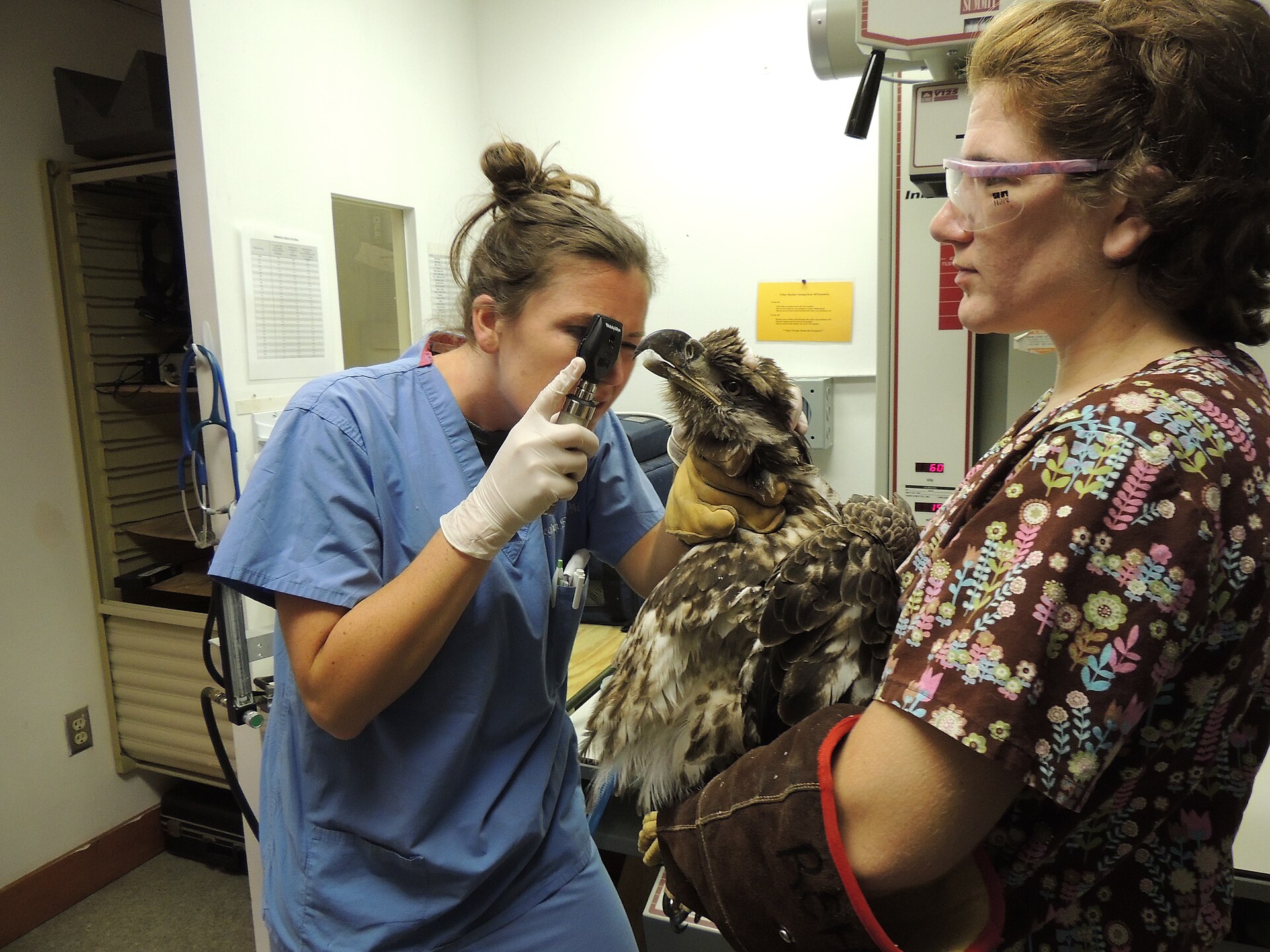
A wildlife veterinarian examining an animal at a rehabilitation facility
Veterinary examination at a licensed wildlife rehabilitation facility. U.S. Fish & Wildlife Service (public domain)

After several days of observation and treatment, Oscar began eating normally again, regained strength and responded well to care. Veterinary staff reported no broken bones and no permanent injuries — an outcome the team described as the best they could have hoped for.

Motion-sensitive trail cameras later captured Oscar walking confidently inside his rehabilitation enclosure, moving with the low, deliberate gait typical of a healthy young ocelot. Because ocelots are secretive and easily stressed by human presence, remote cameras are the primary way the team monitors his progress without interrupting his recovery.
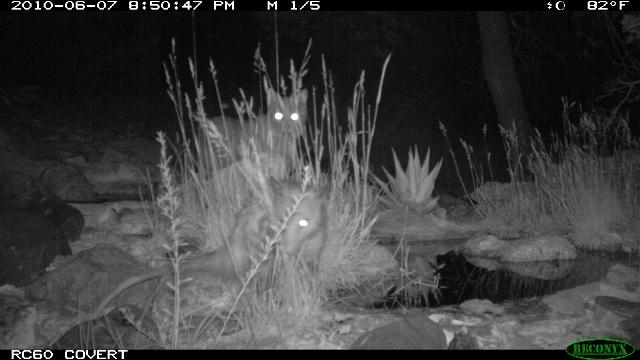
Night-time trail camera image of wild animals in South Texas
Night-time trail camera capture — how biologists track secretive species. National Park Service (public domain)
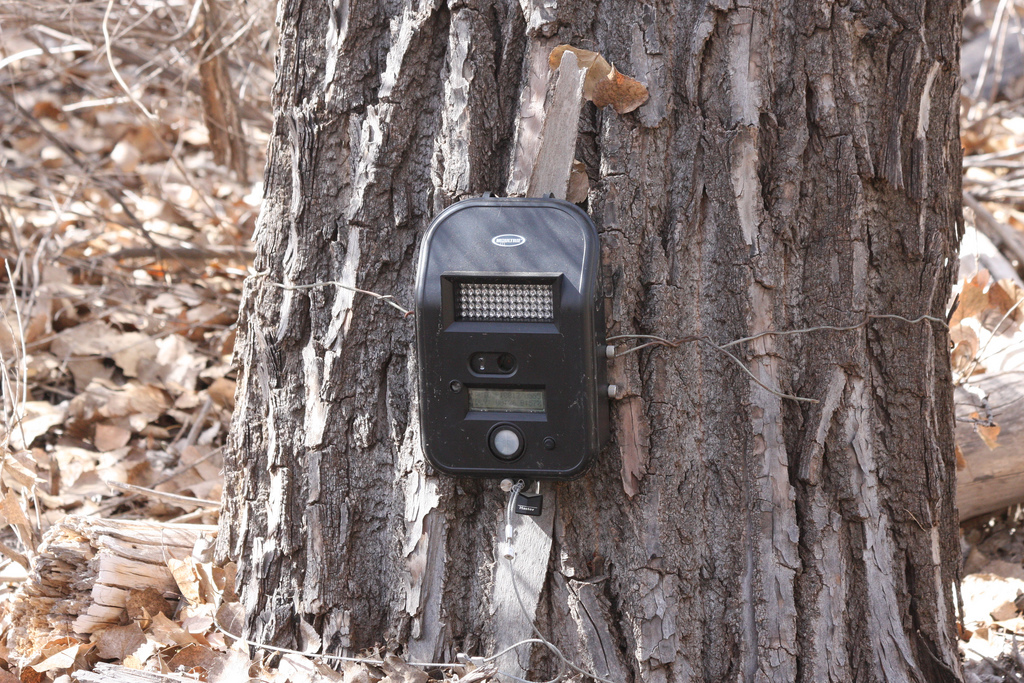
A motion-sensitive trail camera strapped to a tree trunk
A motion-sensitive trail camera of the type used for refuge monitoring. Photograph via Wikimedia Commons (CC BY 2.0)

Oscar has exceeded every expectation. Seeing him regain his strength has been incredibly rewarding.

Senior Wildlife VeterinarianLicensed wildlife rehabilitation facility, South Texas

The rehabilitation team expects Oscar to make a full recovery before eventually being released back into suitable protected habitat, once wildlife biologists determine he is ready. Release candidates are assessed on wound healing, body condition, hunting behaviour and their response to human presence — a released ocelot must remain wary of people and roads to survive.

Officials emphasised that the exact cause of Oscar's injuries could not be determined. Wildlife monitoring is routinely conducted around the refuge following major events, including rocket launches and severe weather, and the surveys that located Oscar were part of that standard programme rather than a response to any specific incident.

Editor's note

No investigation has attributed Oscar's injuries to any launch activity, vehicle, person or organisation. Minor cuts, abrasions and dehydration are commonly recorded in young wild cats as a result of dense thornscrub, predators, territorial disputes and heat stress. This report describes the rescue and recovery only.

For now, Oscar remains in care — one of fewer than a hundred ocelots believed to remain in the United States, and one more reason biologists continue walking the dunes after every sunrise.
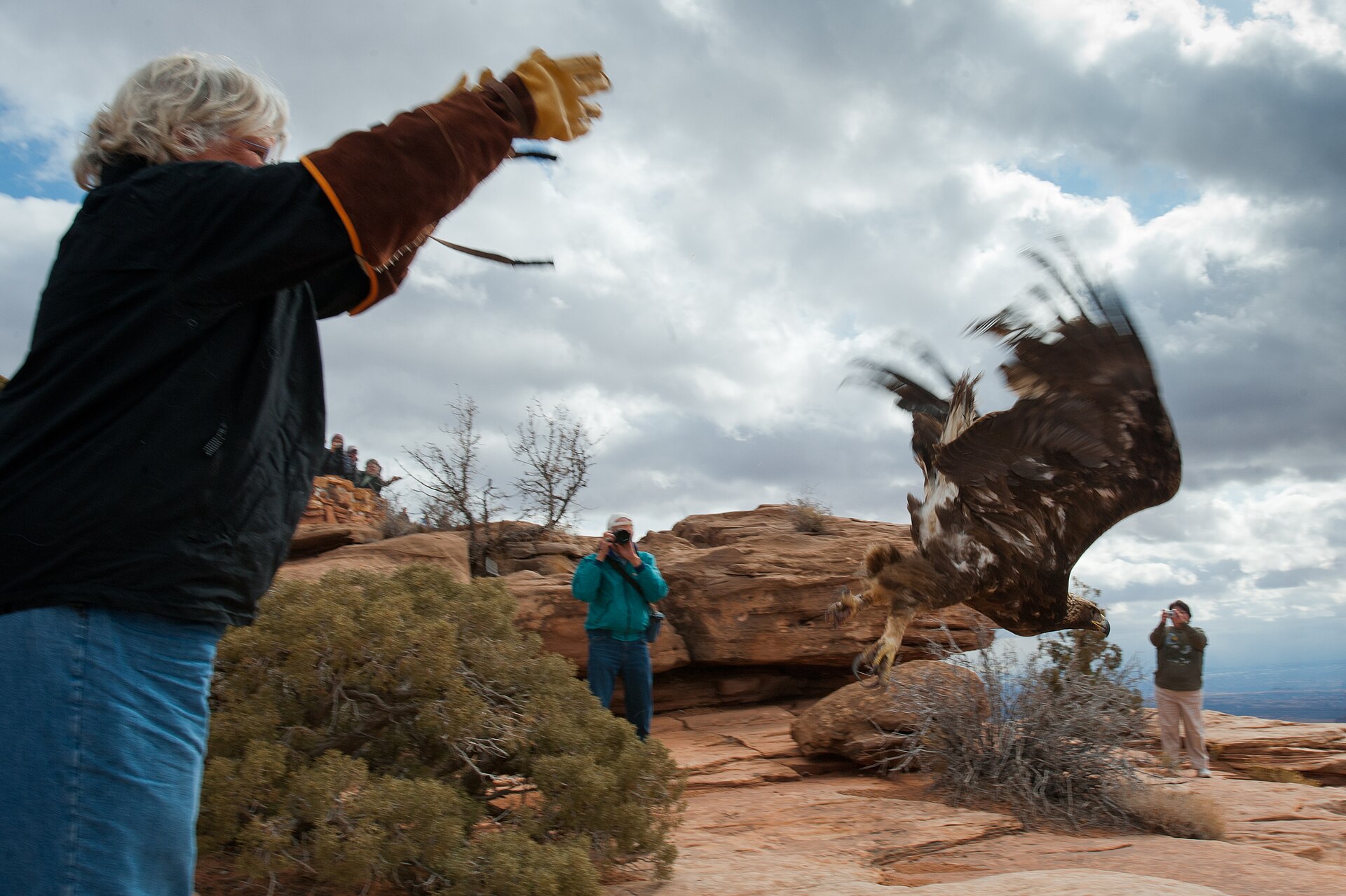
Wildlife staff releasing a recovered animal back into protected habitat
A recovered animal returned to protected habitat after rehabilitation. U.S. Fish & Wildlife Service (public domain)

Recovery log · in pictures

Week by week, Oscar gets his strength back

Ocelots are easily stressed by human presence, so most of Oscar's progress is documented through remote cameras and brief clinical checks. The photographs below are authentic, publicly available images from the U.S. Fish & Wildlife Service, the National Park Service and Wikimedia Commons contributors, used to illustrate each documented stage of his rehabilitation.

A wildlife veterinarian examining an animal at a rehabilitation facility
Day 1

Intake and first examination

Oscar is sedated for a full assessment. Cuts to a front paw are cleaned and dressed, fluids are given for dehydration, and no fractures are found.

U.S. Fish & Wildlife Service (public domain)
An ocelot resting in shaded brush
Day 4

Resting, eating unaided

Moved to a quiet, low-stimulus enclosure with deep shaded cover. Staff record him resting calmly between meals — the first sign the stress response is easing.

Giles Laurent, Wikimedia Commons (CC BY-SA 4.0)
Night-time trail camera image of wild animals in South Texas
Day 9

Night camera: moving normally

Remote cameras replace in-person checks. Overnight footage shows him circling the enclosure with an even, unhesitating gait and no favouring of the injured paw.

National Park Service (public domain)
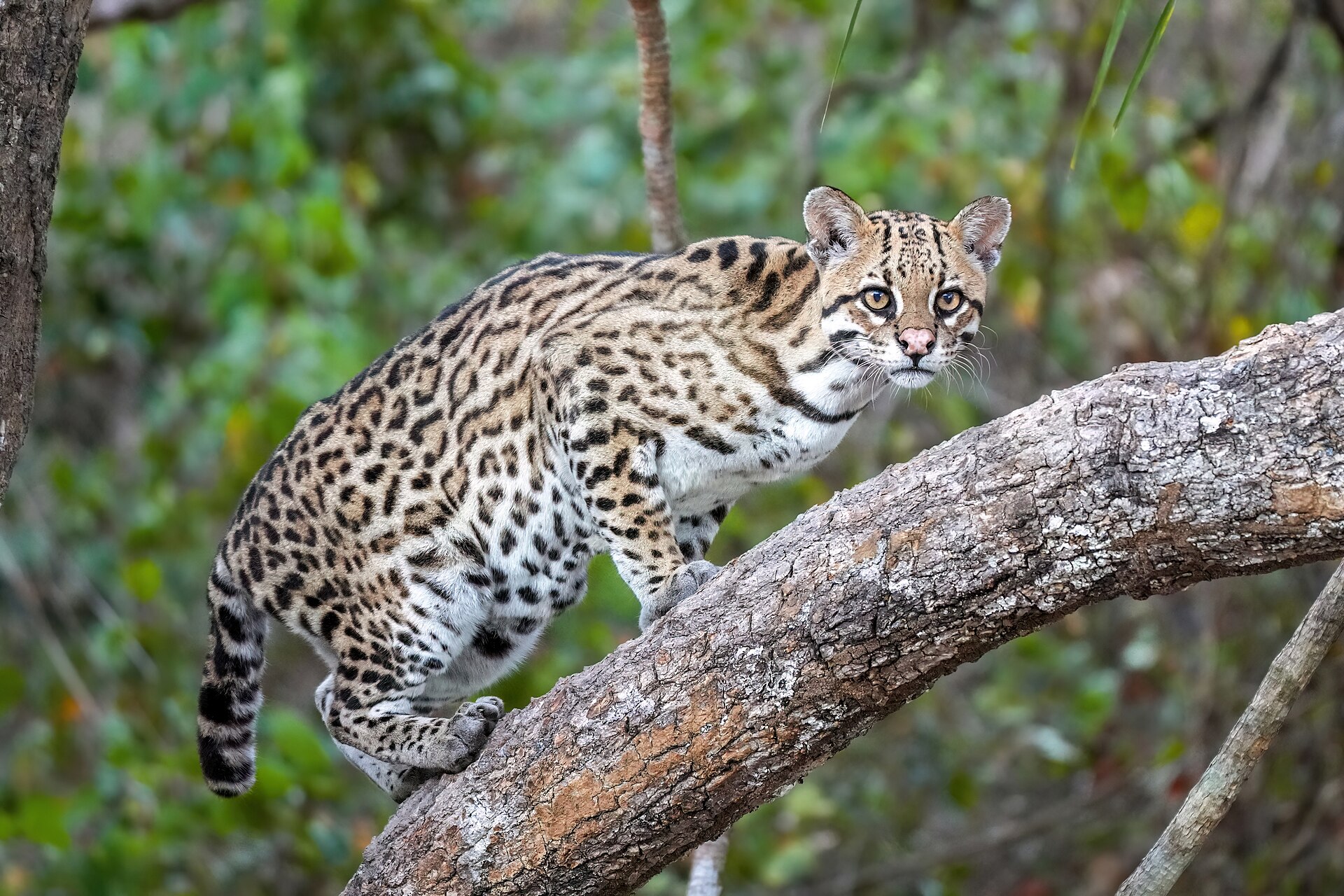
An ocelot standing alert in dense vegetation
Day 16

Alert, wary, watching

Weight is back within range for an eight-month-old male. Just as importantly, he stays wary of keepers — the caution a released ocelot needs to survive roads and people.

Giles Laurent, Wikimedia Commons (CC BY-SA 4.0)
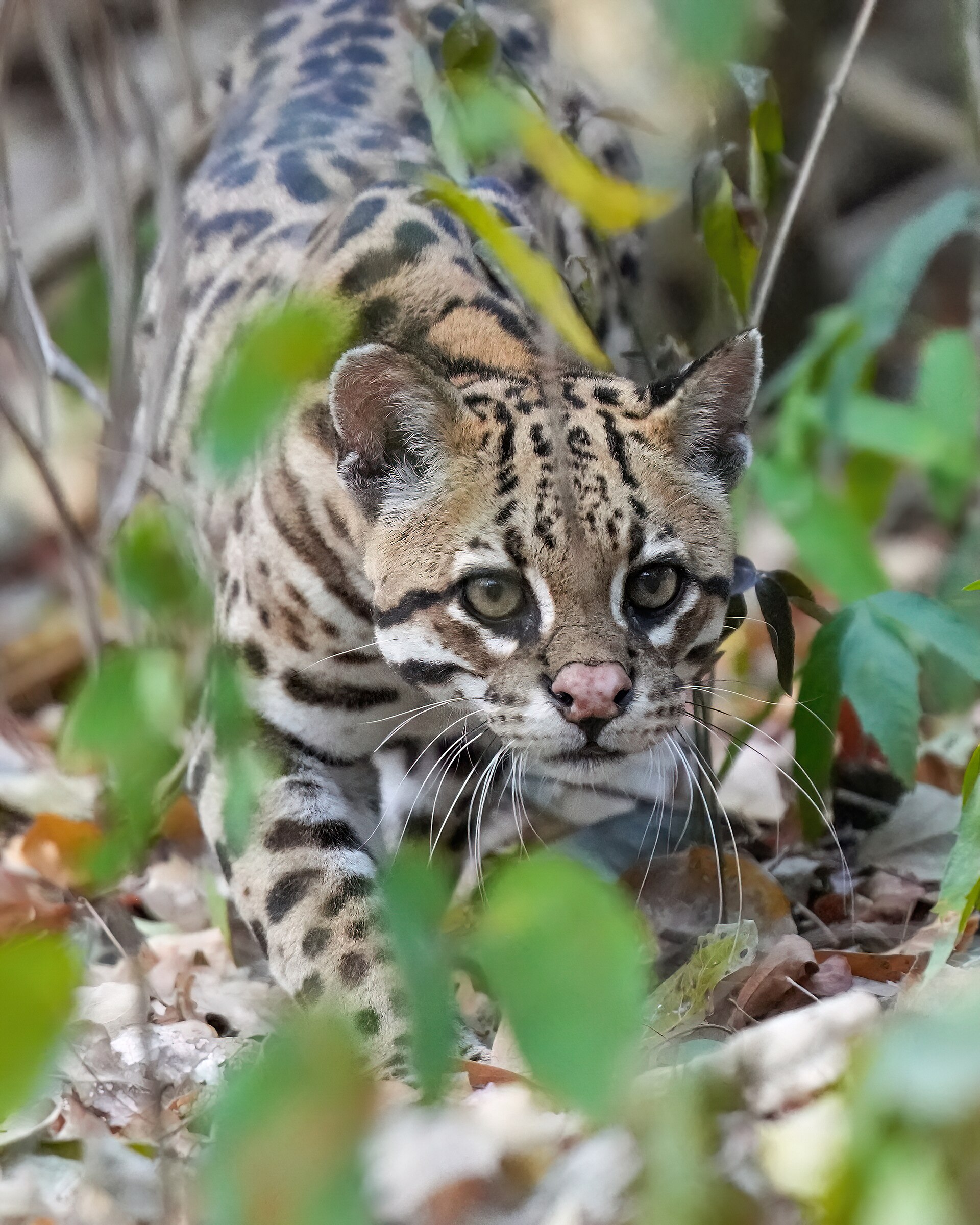
An ocelot moving low through undergrowth at dusk
Day 24

Hunting behaviour returns

Live-prey assessments in the outdoor pen confirm intact stalking and pouncing instincts, tested at dawn and dusk when ocelots naturally hunt.

Giles Laurent, Wikimedia Commons (CC BY-SA 4.0)
Wildlife staff releasing a recovered animal back into protected habitat
Ahead

Toward release

Once biologists sign off on wound healing, body condition and behaviour, Oscar will be returned to protected thornscrub habitat inside the refuge network.

U.S. Fish & Wildlife Service (public domain)

About the refuge

More than 1,000 acres of protected coast at the southern tip of Texas

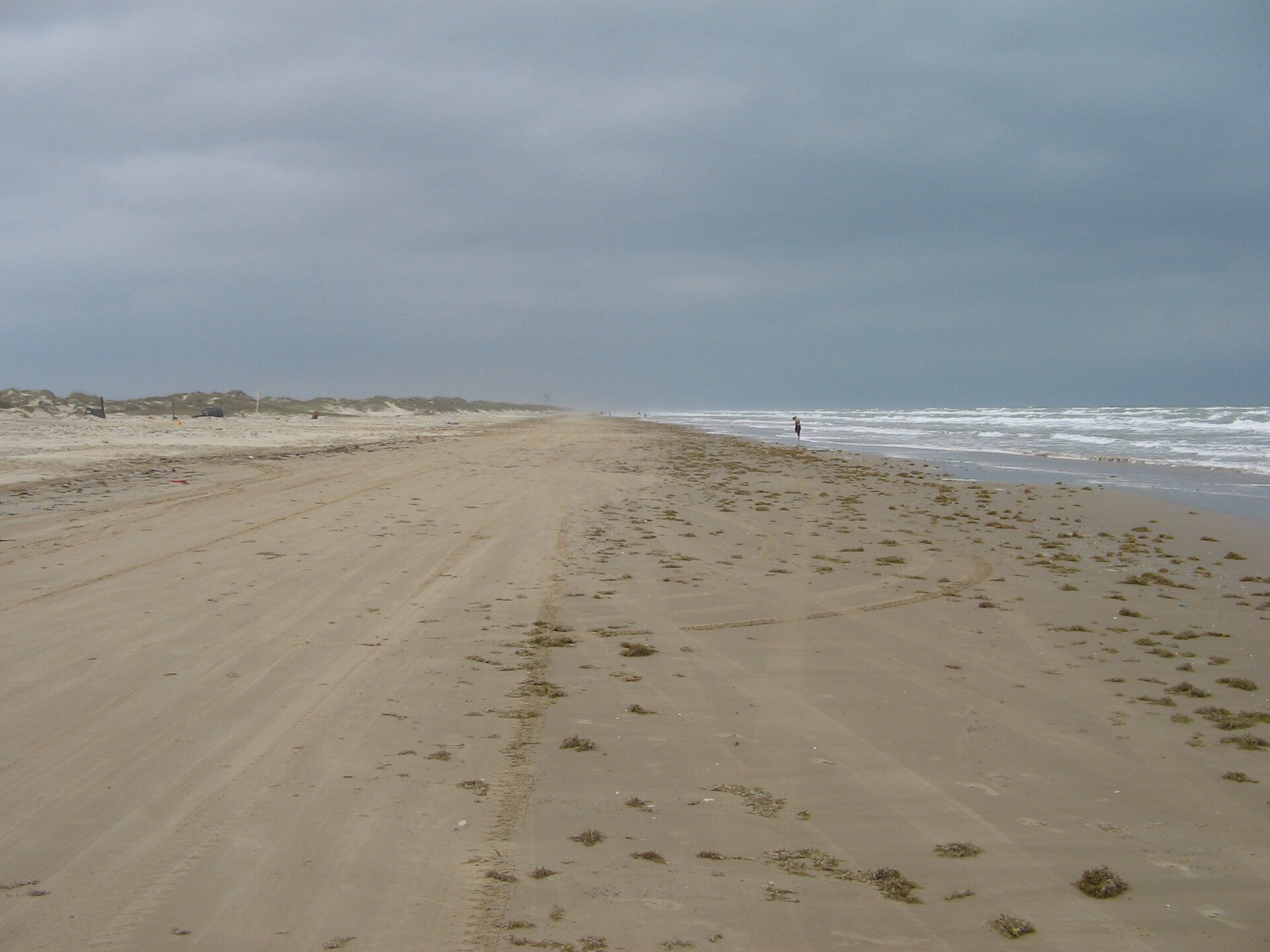
Boca Chica Wildlife Refuge sits east of Brownsville, Texas, where the Rio Grande delta meets the Gulf of Mexico. It protects one of the last undeveloped stretches of the Texas coast — a mosaic of beach, sand dune, tidal wetland and native grassland that supports an extraordinary density of wildlife for its size.

The refuge lies on the Central Flyway, one of North America's most important migration corridors. Each spring and autumn, hundreds of species pass through or stop to rest and feed. Several endangered species depend on the habitat year-round, including sea turtles, shorebirds and the ocelot.

  • Protected coastal habitat
  • Beaches and open shoreline
  • Wind-shaped sand dunes
  • Tidal wetlands and flats
  • Bird watching
  • Nature photography
  • Fishing
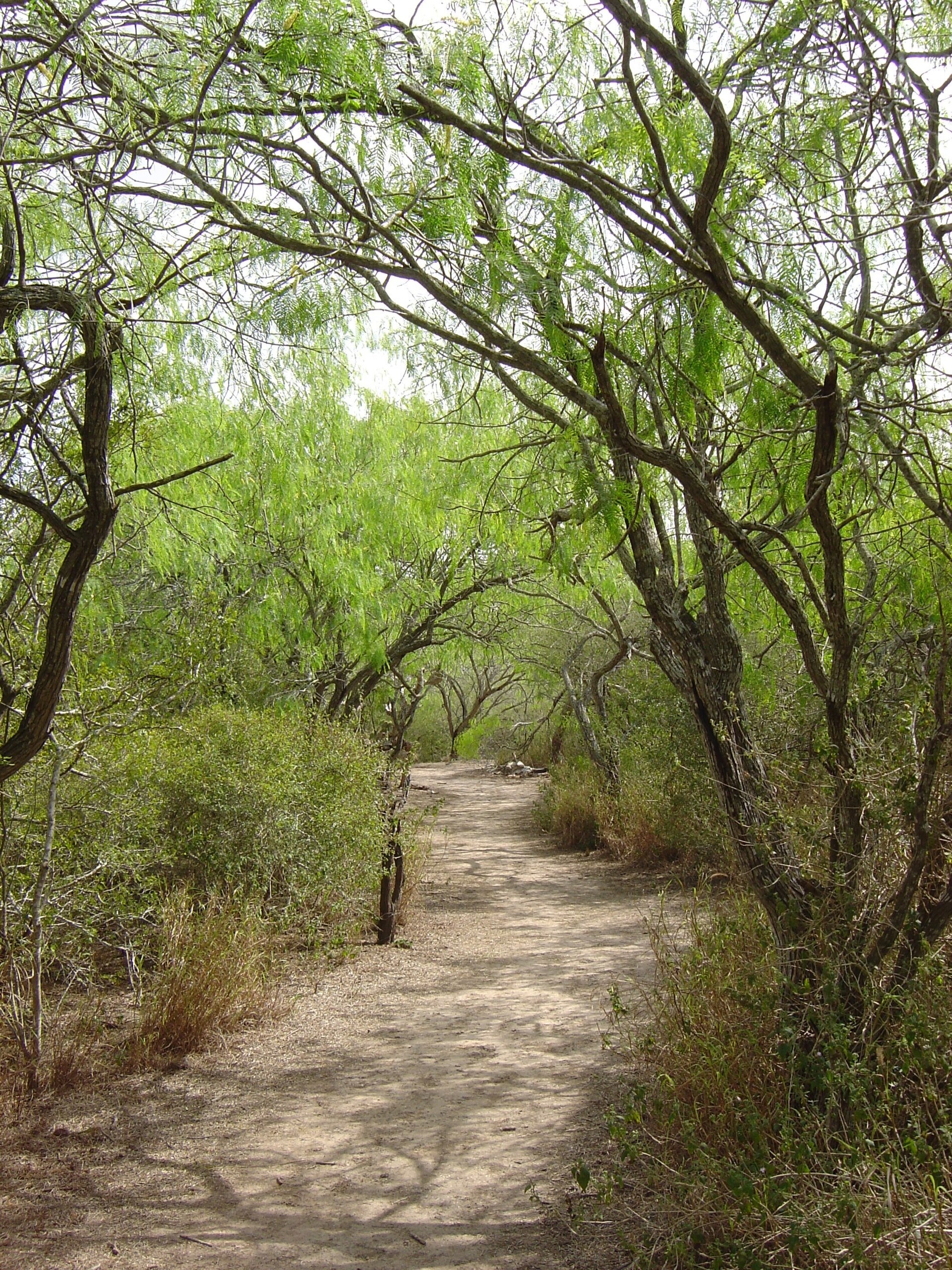
  • Walking trails
  • Wildlife observation decks
  • Major bird migration route
Coastal wetland and open water in a South Texas national wildlife refuge
Shoreline and tidal flats at Boca Chica Beach in South Texas
A sandy nature trail winding through native South Texas vegetation

Neighbouring Starbase

Conservation work continues alongside nearby aerospace activity

The refuge shares the Boca Chica corridor with SpaceX's Starbase facility, a few miles west of the beach. Habitat monitoring, shorebird surveys, sea turtle patrols and trail-camera programmes run on their normal schedules, with additional survey sweeps carried out after significant events such as launches or severe coastal weather.

Access to Boca Chica Boulevard and the beach may be temporarily restricted around scheduled launch activity. Visitors are asked to check closure notices before travelling.

Sunset over the SpaceX Starbase facility seen from Boca Chica

Species profile

The ocelot: a small cat holding on at the edge of its range

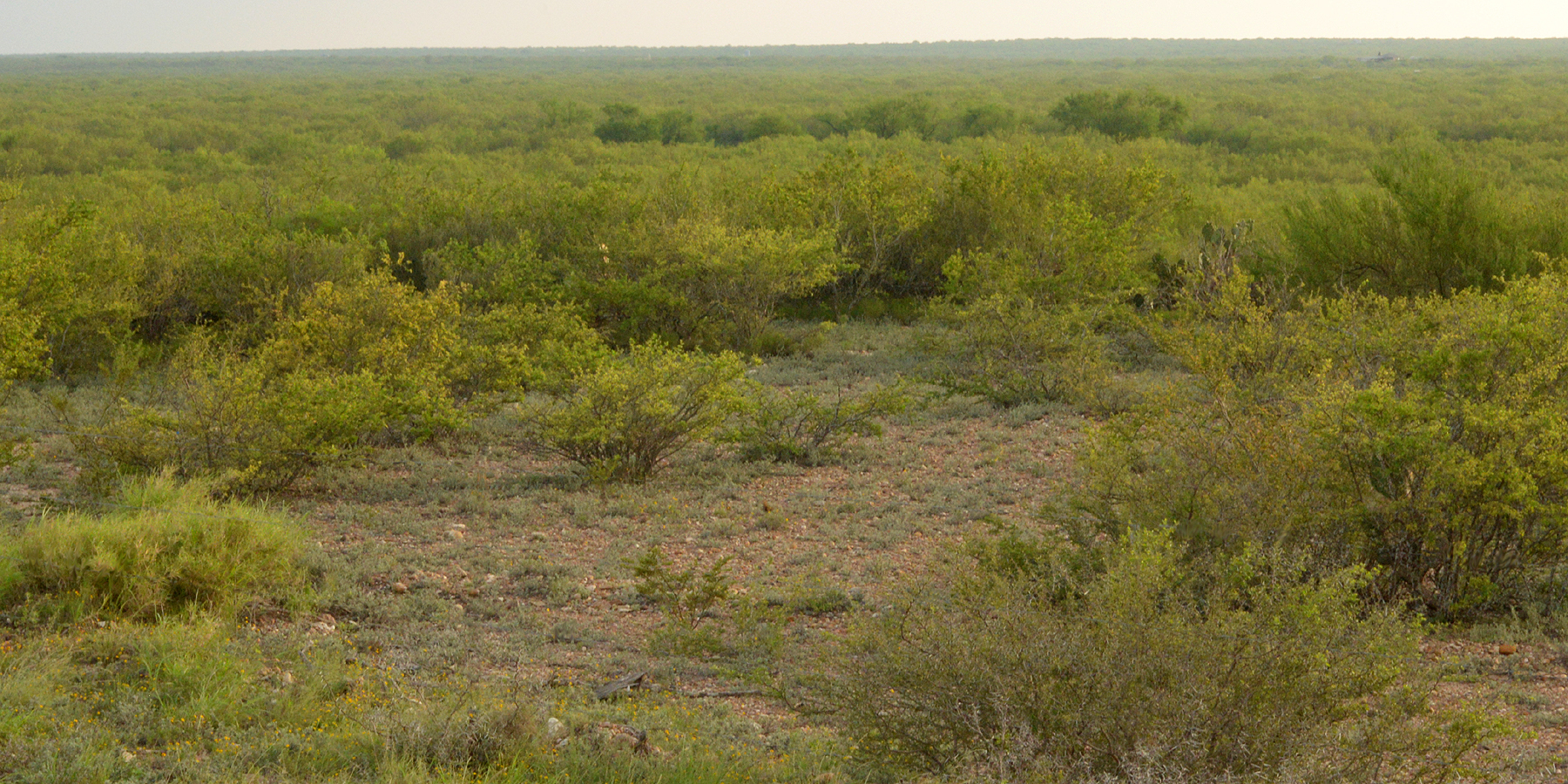
Roughly twice the size of a domestic cat, the ocelot is unmistakable — a coat of chained rosettes, a long ringed tail and enormous night-adapted eyes. In the United States it survives only in the dense thornscrub of deep South Texas, which makes every individual, including Oscar, significant to the population's future.

An ocelot standing alert in dense vegetation
An ocelot moving low through undergrowth at dusk

One of North America's rarest cats

The ocelot's U.S. range has contracted to a few isolated pockets of South Texas brushland.

Fewer than 100 remain in the U.S.

Two small breeding populations survive in Cameron and Willacy counties.

Mostly nocturnal

Ocelots hunt from dusk to dawn and spend hot daylight hours resting in dense cover.

Excellent climbers

Strong, flexible limbs let them climb, leap and even swim with ease.

Solitary hunters

Adults hold individual territories and hunt rodents, rabbits, birds and reptiles alone.

Habitat loss is the main threat

More than 95% of the dense thornscrub they need has been cleared in the Rio Grande Valley.

Vehicle collisions

Road strikes are the single largest known cause of death for Texas ocelots.

Federally protected

Listed as endangered under the Endangered Species Act since 1982.

Rescue log

From a rustle in the brush to a recovering ocelot

  1. Morning

    Routine post-launch wildlife monitoring begins

    Ranger teams start scheduled survey transects across the dune systems and shoreline.

  2. 10:45 AM

    Park Rangers discover Oscar beneath coastal vegetation

    Movement is spotted in dense brush close to a protected walking trail. The animal is identified as a juvenile ocelot.

  3. 11:30 AM

    Veterinary transport arrives

    A licensed wildlife responder reaches the site with a transport crate and field kit.

  4. 2:00 PM

    Oscar receives emergency treatment

    Rehydration, wound cleaning and a full examination under sedation. No fractures found.

  5. Day 5

    Oscar begins eating independently

    Appetite returns and body weight stabilises — the first clear sign of recovery.

  6. Day 12

    Oscar walks normally again

    The paw injury closes and normal gait returns with no visible favouring of the limb.

  7. Week 4

    Wildlife cameras confirm healthy behaviour

    Trail cameras record confident nocturnal movement, climbing and normal feeding patterns.

  8. Expected Release

    Pending veterinary approval

    Return to suitable protected habitat once biologists confirm he is ready.

0+

Acres Protected

0

Miles of Nature Trails

0+

Bird Species Recorded

0+

Google Reviews

0.0

Visitor Rating

Endangered Wildlife Habitat

Federally Protected Species

Dense Tamaulipan thornscrub habitat in South Texas

How you can help

Protecting this coast is a shared responsibility

Most of what keeps Boca Chica's wildlife alive comes down to small, everyday decisions made by the people who visit it.

01

Stay on designated trails

Dune vegetation takes years to recover from a single footpath. Trails keep habitat intact and keep you safe.

02

Respect wildlife

Observe from a distance, never feed animals, and keep dogs leashed. Nesting birds abandon sites when disturbed.

03

Take litter home

Plastic and fishing line kill shorebirds and sea turtles. Pack out everything you bring in — and a little more.

04

Drive carefully

Vehicle collisions are the leading known cause of ocelot deaths in Texas. Slow down at dusk and dawn on SH-4.

05

Report injured wildlife

Never handle a wild animal. Note the location, keep your distance and contact Texas Parks and Wildlife.

06

Support conservation

Habitat restoration, wildlife crossings and land acquisition are funded largely by public support.

07

Volunteer

Beach cleanups, shorebird surveys, trail maintenance and visitor education all rely on volunteers.

08

Donate to rehabilitation

Licensed rehabilitation facilities carry the cost of every rescue — surgery, food, enclosures and staff.

Where it is

Boca Chica Wildlife Refuge, east of Brownsville

The refuge runs along State Highway 4 (Boca Chica Boulevard) between Brownsville and the Gulf shore, with Starbase sitting between the two near the end of the road.

Refuge shoreline

Boca Chica Beach, Gulf of Mexico

The eastern boundary — open beach, dunes and tidal flats.

Access road

State Highway 4 / Boca Chica Blvd

The single road corridor linking Brownsville to the beach.

Nearby facility

SpaceX Starbase

Located along the same corridor, west of the shoreline.

Map data © OpenStreetMap contributors.

Plan your visit

Visitor information

Location

  • Boca Chica Blvd
  • Brownsville, Texas
  • State Highway 4, east of the city

Activities

  • Bird watching
  • Photography
  • Fishing
  • Nature walks
  • Picnics
  • Beach access

Trail Length

  • Approximately 3 miles
  • Level sandy surface
  • Observation decks along the route

Habitat

  • Coastal dunes
  • Tidal wetlands
  • Native grasslands
  • Open Gulf shoreline

Before you travel

Road and beach access along Boca Chica Boulevard can close temporarily around scheduled launch activity and during high tides or coastal weather. Check current closure notices, bring water and sun protection, and note that there is no potable water, shade or fuel beyond Brownsville.

Questions

Frequently asked

Yes. Veterinary staff report that Oscar is stable and progressing well. He began eating independently on day five, regained a normal walking gait by day twelve, and trail cameras have since recorded healthy, confident behaviour inside his enclosure. No broken bones or permanent injuries were found.

There is no fixed date. Release will happen only when wildlife biologists and veterinarians agree he is ready — that means fully healed, at a healthy weight, hunting competently and still appropriately wary of humans. He will then be returned to suitable protected habitat.

Realistically, no. Ocelots are nocturnal, extremely secretive and exist in very low numbers. Most biologists who study them for years never see one in the wild — nearly all monitoring is done through motion-sensitive trail cameras. Please do not attempt to search for them or leave the trails.

Yes, with normal coastal precautions. There are no lifeguards, no potable water and no shade, and soft sand can trap vehicles. Bring water, watch the tide, and be aware that mobile signal is limited in places.

Not always. State Highway 4 and Boca Chica Beach may be temporarily closed around scheduled launch and test activity for public safety. Closures are published in advance, so check current notices before travelling.

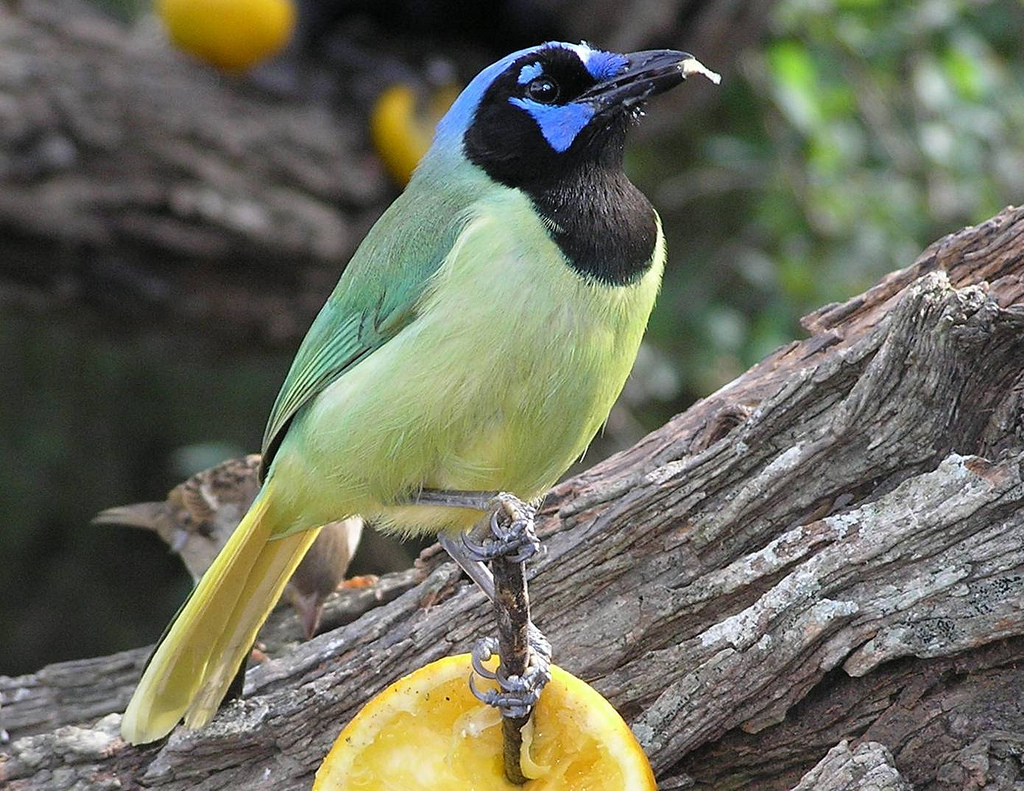
More than 300 bird species have been recorded in the area, including roseate spoonbills, green jays, long-billed curlews, plovers and terns. The refuge also supports sea turtles, coyotes, bobcats, jackrabbits, snakes and lizards — and, in the surrounding brush corridors, the endangered ocelot.